
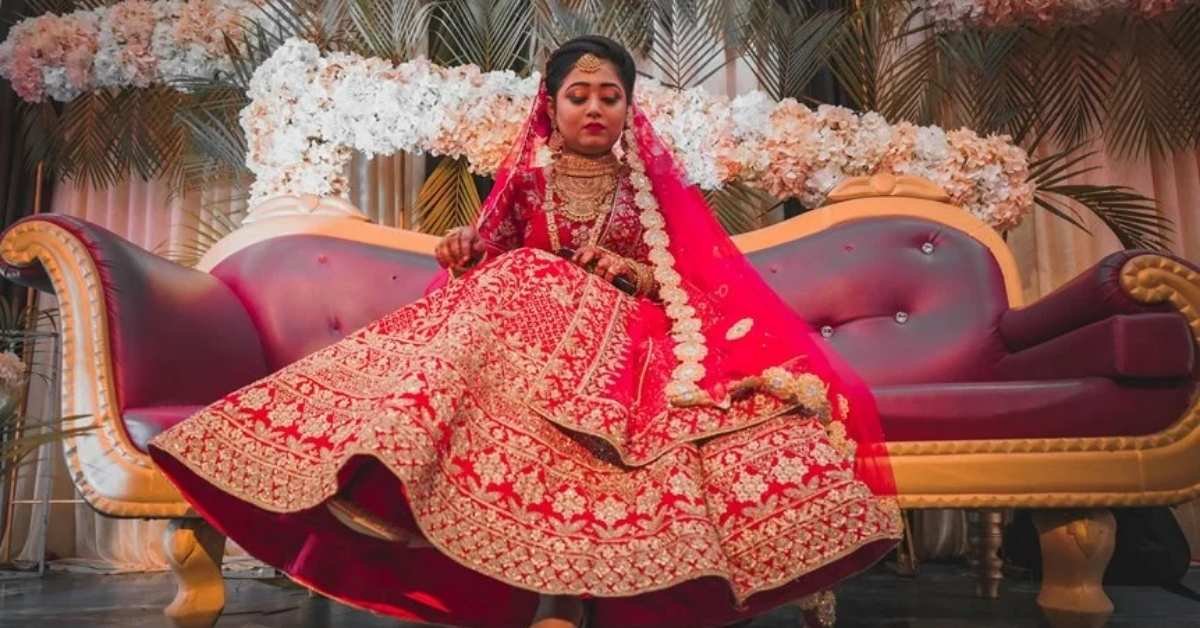
The Diadem – Bridal Lehe represents a fusion of regal elegance and modern bridal fashion, designed for brides who want a truly royal wedding presence. In today’s wedding industry, this style has become a symbol of luxury, tradition, and detailed craftsmanship, often associated with premium bridal couture in South Asian fashion. Brides across the U.S. and beyond are increasingly searching for this aesthetic as weddings become more personalized and style-focused.
In this guide, you will learn everything about the Diadem – Bridal Lehe, including its cultural roots, fabric choices, styling techniques, color psychology, and modern trends. Whether you are planning a traditional ceremony or a fusion wedding, this detailed breakdown will help you choose a bridal look that feels both timeless and expressive.
What Is a Diadem – Bridal Lehe?
A Diadem – Bridal Lehe refers to a bridal lehenga design inspired by royal diadems—symbolizing crowns, elegance, and prestige. It typically features structured lehenga skirts, heavily embellished blouses, and dupattas styled in a regal manner.
In contemporary bridal fashion, designers incorporate elements like zari, zardozi, sequins, and crystal work to create a luxurious appearance. According to fashion industry reports, this style has gained popularity among brides who want a mix of heritage and modern couture aesthetics. The Diadem – Bridal Lehe is not just attire; it is a statement of identity and celebration.
Why It’s Special
The uniqueness of a Diadem – Bridal Lehe lies in its attention to detail and symbolic design language. Each piece is crafted to reflect royalty, often drawing inspiration from Mughal-era fashion and modern runway trends.
Additionally, its versatility makes it suitable for various wedding themes—from grand ballroom weddings to traditional cultural ceremonies. The combination of embroidery, structured draping, and premium fabrics elevates the overall bridal presence, making it a preferred choice for luxury weddings.
The History and Cultural Significance of the Diadem – Bridal Lehe
The origins of the Diadem – Bridal Lehe can be traced back to South Asian royal courts, where brides wore heavily embellished garments symbolizing status and prosperity. Over time, this evolved into the modern bridal lehenga while retaining its regal essence.
Culturally, it represents honor, beauty, and celebration. The diadem-inspired aesthetic adds a symbolic crown effect, emphasizing the bride as the centerpiece of the wedding. Designers like Sabyasachi Mukherjee and Manish Malhotra have popularized similar royal bridal themes in global fashion circles.
Why It Matters Today
In modern weddings, the Diadem – Bridal Lehe matters because it bridges tradition with personal expression. Brides today want outfits that reflect their cultural roots while aligning with contemporary fashion trends.
Moreover, social media platforms like Instagram and Pinterest have amplified bridal fashion visibility, making statement pieces more desirable. The diadem-inspired bridal style has become a visual trend for luxury weddings, destination ceremonies, and celebrity-inspired bridal looks.
Cultural Importance:
The cultural importance of a Diadem – Bridal Lehe lies in its symbolism of prosperity, purity, and transition. In many South Asian traditions, bridal attire is not just fashion—it represents blessings and new beginnings.
The diadem element adds a royal identity to the outfit, signifying leadership and dignity within the marriage journey. This cultural depth makes it more than just clothing; it becomes a meaningful part of wedding rituals and heritage storytelling.
Choosing the Perfect Fabric for a Diadem – Bridal Lehe
Selecting the right fabric is essential for achieving the desired elegance and comfort in a Diadem – Bridal Lehe.
Silk, velvet, georgette, and organza are among the most commonly used fabrics. Each offers a different level of structure and flow, allowing brides to match their outfit to the wedding setting and season.
Fabric
Silk and velvet are often preferred for winter weddings due to their rich texture, while lighter fabrics like georgette and organza work best for summer ceremonies.
Pros
High-quality fabrics enhance embroidery visibility, improve draping, and provide long-lasting wear. Additionally, they support heavy embellishments typical in bridal couture.
Best For
Luxury weddings, traditional ceremonies, and brides who want a structured yet elegant silhouette.
Popular Styles of Diadem – Bridal Lehe
The Diadem – Bridal Lehe comes in multiple styles that cater to different personalities and wedding themes.
Traditional designs focus on heavy embroidery and classic silhouettes, while modern versions incorporate minimalist aesthetics with subtle detailing. This diversity allows brides to choose according to their vision.
Traditional Red Bridal Lehe
A timeless choice symbolizing love and prosperity, often adorned with gold embroidery.
Pastel Perfection
Soft tones like blush pink and mint green for modern, elegant brides.
Royal Velvet Lehe
Rich textures and deep colors for winter or evening weddings.
Contemporary Fusion Lehe
A blend of Western cuts and traditional embroidery for modern brides.
Color Palettes for Every Bride
Color selection plays a major role in defining the Diadem – Bridal Lehe look.
Classic & Timeless
Red, maroon, and gold remain traditional favorites.
Modern & Fresh
Pastels like lavender, peach, and ivory are trending in U.S. bridal fashion.
Bold & Unique
Emerald green, royal blue, and black create a dramatic statement.
Season
Spring favors light tones, while winter supports deeper shades.
Recommended Colors
Red, champagne gold, dusty rose, and ivory are widely recommended.
Why It Works
These shades enhance embroidery visibility and complement diverse skin tones.
Embroidery and Embellishment Techniques of Diadem – Bridal Lehe
The Diadem – Bridal Lehe is defined by its intricate craftsmanship. Techniques include zari work, zardozi embroidery, sequins, beadwork, and stone detailing.
These techniques add depth and texture, making the outfit visually rich under wedding lighting. Skilled artisans often spend weeks completing a single bridal piece, ensuring precision and luxury appeal.
How to Choose the Perfect Diadem – Bridal Lehe
Choosing the right Diadem – Bridal Lehe depends on body type, wedding theme, and personal style.
Brides should consider comfort, fabric weight, and customization options. According to bridal consultants, early selection—at least 3–6 months before the wedding—ensures better fitting and design accuracy.
Styling the Diadem – Bridal Lehe
Styling completes the bridal look and enhances the overall Diadem – Bridal Lehe aesthetic.
Jewelry Choices
Gold, kundan, and diamond sets complement the royal theme.
Makeup
Soft glam with highlighted eyes or bold lip tones works best.
Hair
Buns with floral accessories or sleek waves are popular choices.
Footwear
Heels or embellished sandals add height and elegance.
Trends in Diadem – Bridal Lehe for 2025
In 2025, bridal fashion is shifting toward personalization and sustainable luxury. Lightweight embroidery, eco-friendly fabrics, and modular dupattas are trending.
The Diadem – Bridal Lehe is also evolving with detachable elements, allowing brides to reuse outfits for multiple events.
Care and Preservation of Your Bridal Lehe
Proper care ensures longevity. Dry cleaning after use, storing in muslin cloth, and avoiding moisture are essential steps.
Additionally, keeping the outfit away from direct sunlight helps preserve color and embroidery quality.
Price Range and Where to Buy Diadem – Bridal Lehe
The price of a Diadem – Bridal Lehe varies widely depending on craftsmanship and designer reputation. According to market estimates, prices range from mid-tier affordable bridal wear to high-end couture pieces.
Brides can explore boutique designers, luxury bridal studios, and custom couture services for personalized options.
Why the Diadem – Bridal Lehe Is Worth the Investment
Investing in a Diadem – Bridal Lehe ensures timeless elegance, cultural richness, and long-term sentimental value.
It is not just a wedding outfit but a keepsake that carries emotional significance. High-quality materials and craftsmanship also ensure durability and resale or reuse potential.
Diadem – Bridal Lehe Shopping Checklist
Before purchasing, ensure fabric quality, embroidery consistency, fitting accuracy, customization options, and budget alignment.
A proper checklist helps avoid last-minute stress and ensures a perfect bridal look.
Top 10 Styling Mistakes to Avoid with a Diadem – Bridal Lehe
Avoid over-accessorizing, mismatched colors, poor fitting, heavy makeup overload, and ignoring comfort.
Additionally, avoid last-minute tailoring and improper footwear selection, as these can affect overall presentation.
Conclusion
The Diadem – Bridal Lehe stands as a powerful blend of tradition, luxury, and modern bridal artistry. It reflects cultural depth while offering endless styling flexibility for contemporary brides. From fabric selection to embroidery and color psychology, every detail contributes to a royal wedding experience. As bridal fashion continues to evolve, this style remains a timeless choice for those seeking elegance and distinction.
FAQs About Diadem – Bridal Lehe
What is a Diadem – Bridal Lehe?
It is a royal-inspired bridal lehenga featuring crown-like elegance and heavy embellishment.
What fabrics are best for a Diadem – Bridal Lehe?
Silk, velvet, organza, and georgette are commonly preferred.
How much does a Diadem – Bridal Lehe typically cost?
Prices vary widely, ranging from affordable bridal wear to high-end couture.
Can I customize my Diadem – Bridal Lehe?
Yes, most designers offer full customization for fabric, embroidery, and fit.
What are the latest trends in Diadem – Bridal Lehe designs?
Lightweight embroidery, pastel tones, and modular bridal outfits are trending in 2025.

Rajesh Khanna is a quotes and captions writer who believes words have the power to heal, inspire, and guide. With 5+ years of experience writing Bengali and English quotes, captions, and Islamic content, he helps readers find meaningful words for every moment of life. On Caption Drift, his focus is simple smart captions, powerful quotes, and mindset words that actually mean something.